
“No asbestos detected” means the laboratory looked at the sample you sent and found no asbestos fibres in it. That’s good news, but it’s news about the sample. It doesn’t clear the whole ceiling, the whole room or the whole house. Before you start drilling, sanding or stripping, it’s worth taking five minutes to check that the piece that was tested really is the material you’re about to disturb. Here’s how to do that.
On a UK lab report you’ll often see it shortened to NAD or NADIS, which stands for No Asbestos Detected In Sample. The word that matters is “sample”. The analyst examined the piece in the bag, under a microscope, using the methods set out in HSE’s asbestos analysts’ guide (HSG248), and found none of the asbestos fibre types in it.
If asbestos had been found, the report would name the type instead, usually chrysotile (white), amosite (brown) or crocidolite (blue).
So a clear result is a reliable answer to one question: was there asbestos in that piece of material? It’s a much weaker answer to the question most people are really asking, which is whether it’s safe to start work.
Because building materials aren’t uniform, and houses get patched, repaired and redecorated over decades. A few common ways a clear sample can mislead:
Textured coatings applied before 2000 can contain asbestos, but plenty don’t, and you can’t tell by looking. That’s exactly why the result needs to match the material.
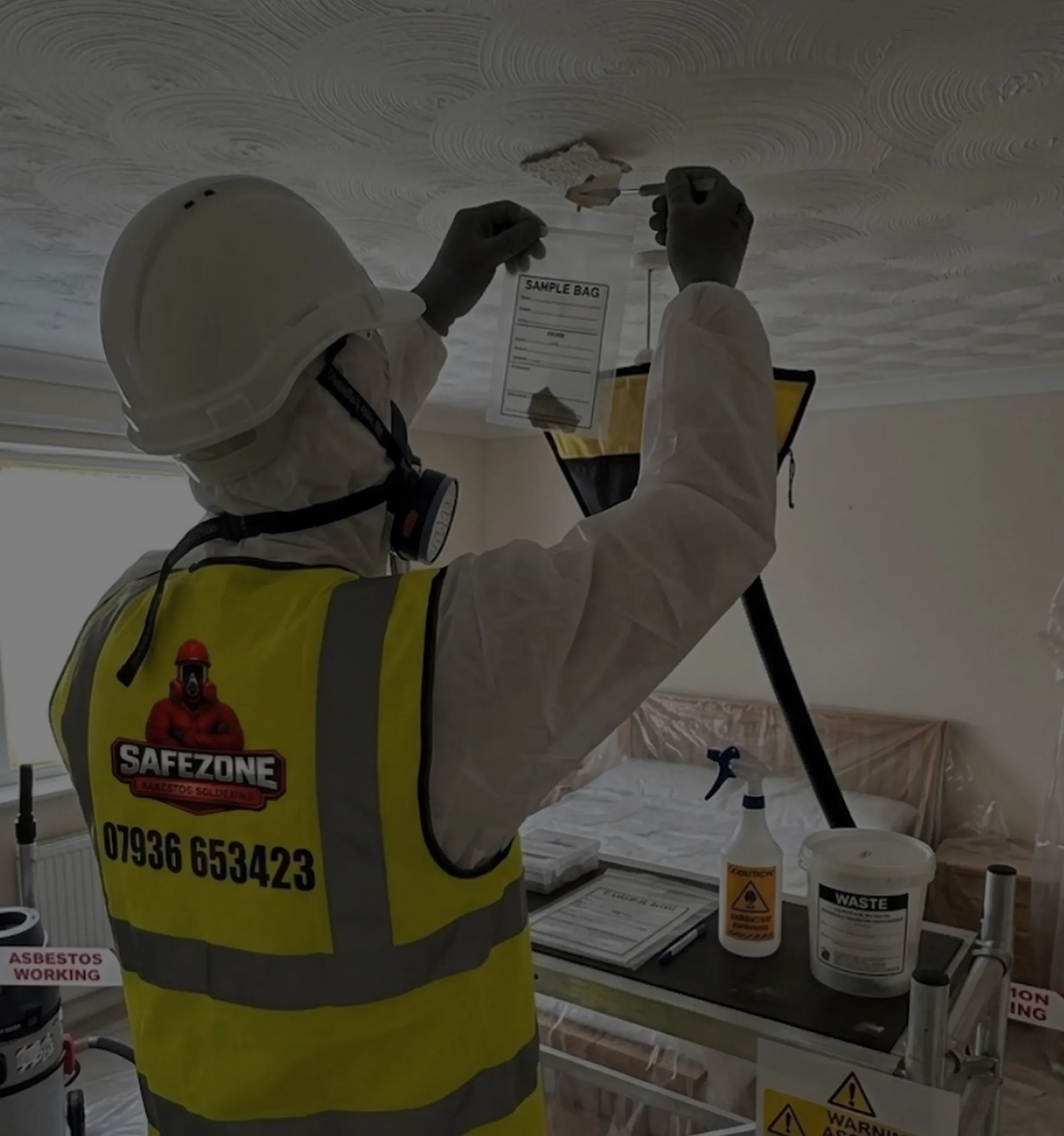
Run through this checklist with your report in one hand before you act on a clear result:
| Check | What to look for on the report | If it doesn’t match |
|---|---|---|
| Sample reference and location | Each sample has a reference number and a location, such as front bedroom ceiling | Don’t assume the result covers another room |
| Material description | The report describes what was tested, such as textured coating or floor tile | If it describes something different from what you’re disturbing, it doesn’t cover it |
| Layers included | Whether the sample went through every layer, for example tile and the adhesive underneath | Get the missing layer sampled |
| Patches and repairs | Whether the sample came from original material or a later patch | Sample the original area too |
| Similar materials elsewhere | Other rooms with the same looking coating, tiles or boards | Treat each one as untested until it’s checked |
| Areas never sampled | Anywhere your work will reach that isn’t listed | Get it checked before work reaches it |
| The laboratory | The lab’s name and UKAS accreditation on the certificate | Ask whoever took the sample for the accredited certificate |
If every row matches, you can go ahead with far more confidence. If one doesn’t, that’s the gap to close first.
Take another sample when:
If you find something unexpected mid job, stop work on that material and get it checked. A short pause costs far less than disturbing something you shouldn’t have.
For a bigger job, such as a full kitchen, bathroom or loft conversion, a single sample may not be enough. HSE’s asbestos survey guide (HSG264) sets out how surveys are planned and carried out before refurbishment work, and it’s a useful read if your project touches several rooms.
HSE’s asbestos questions and answers advise homeowners to tell builders and contractors about asbestos in the home before they start work. A clear result is part of that conversation too. Give your builder:
That lets them check for themselves that the result covers their work, and spot anything that still needs testing before they start.
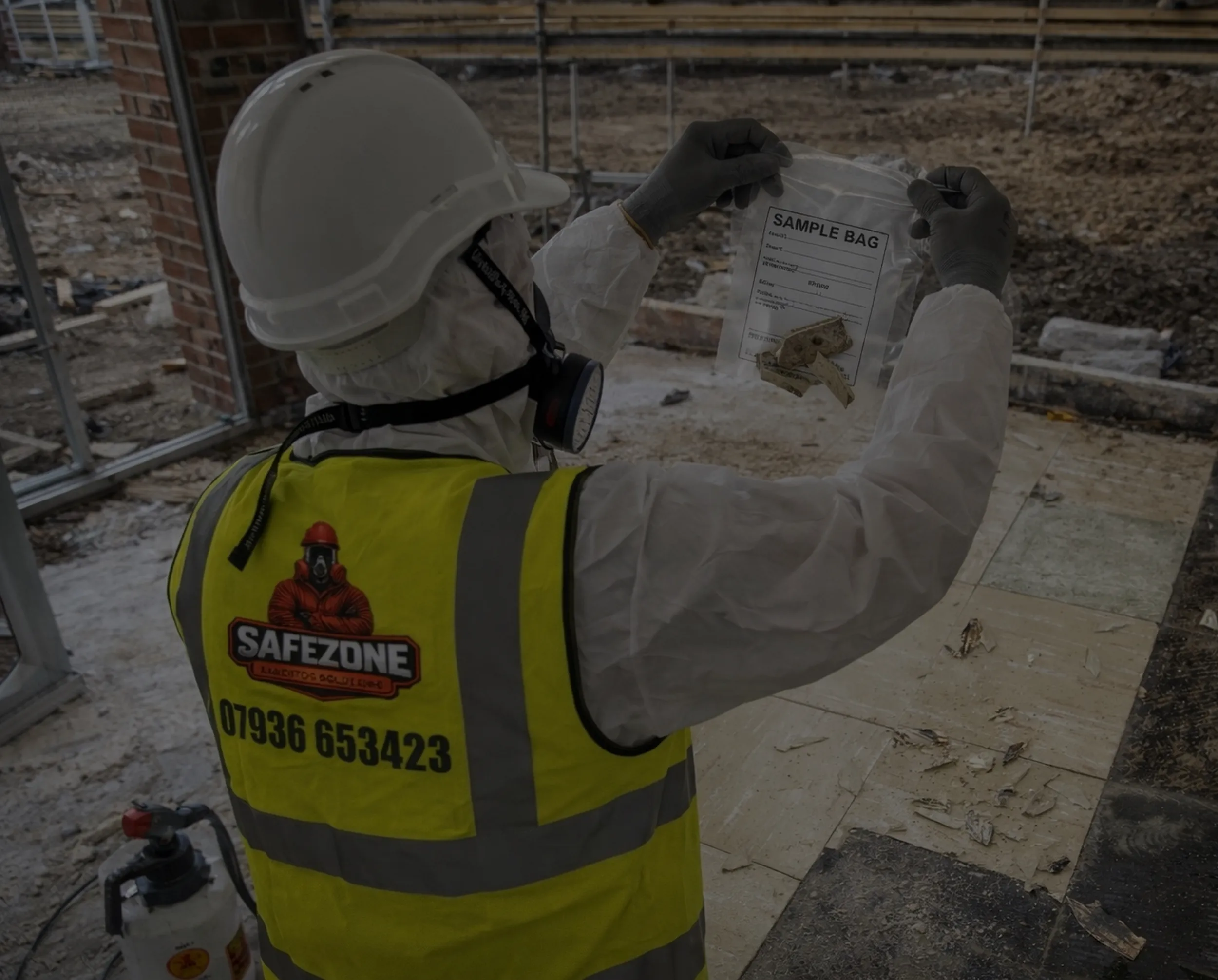
NAD means No Asbestos Detected. NADIS means No Asbestos Detected In Sample. They mean the same thing: the laboratory found no asbestos fibres in the piece of material it was sent.
Not for the whole property. It means that sample was clear. Other materials, other rooms and hidden layers can still contain asbestos, which is why the checklist above matters.
Yes, keep it. It’s useful when builders quote, if you sell the house, and if you ever need to show that a material was checked before work began. Keep it with any photos of where the sample was taken.
No. Two ceilings that look the same can be from different times or have been patched differently. If you’re going to disturb another ceiling, get that one sampled too. If it’s the same job, it often makes sense to take both samples on the same visit.
If the material you’re about to disturb wasn’t the one that was tested, book a further sample. We take it with care and send it to a UKAS-accredited laboratory, and results typically come back within 24 to 48 hours. If a ceiling does turn out to contain asbestos, see our asbestos Artex ceiling removal page and our Artex ceiling removal cost guide. For a garage or shed, our guide on whether an asbestos garage roof is safe to leave walks you through the decision.
You can also send us your report and a couple of photos through our free quote form, and we’ll tell you honestly whether we think it covers your job. We cover towns across Berkshire, Surrey and Hampshire.