
Your home should feel safe, but older properties can hide a risk you can’t see: asbestos. It was used in British homes for decades because it was cheap, strong and fire resistant. Most of the time it sits quietly in a ceiling, floor or roof and causes no harm. The trouble starts when it’s damaged or disturbed. Here’s how to tell whether your home might contain it, where to look, and what to do next.
Asbestos is made of tiny fibres. When a material containing it is drilled, sanded, broken or worn away, those fibres get into the air. Breathed in, they can cause serious diseases, including mesothelioma, asbestosis and lung cancer, often decades later. You won’t see, smell or feel them at the time. That’s what makes it a hidden threat, and why the HSE’s asbestos guidance focuses on not disturbing it.
Many people think asbestos stopped being used in the 1980s. Some types were banned then, but the last type was only banned in the UK in 1999. So any home built or refurbished before 2000 could contain it. Homes from the 1950s to the 1980s are the most likely, but 1990s extensions, garages and refits can too.
These are the places we find it most often:
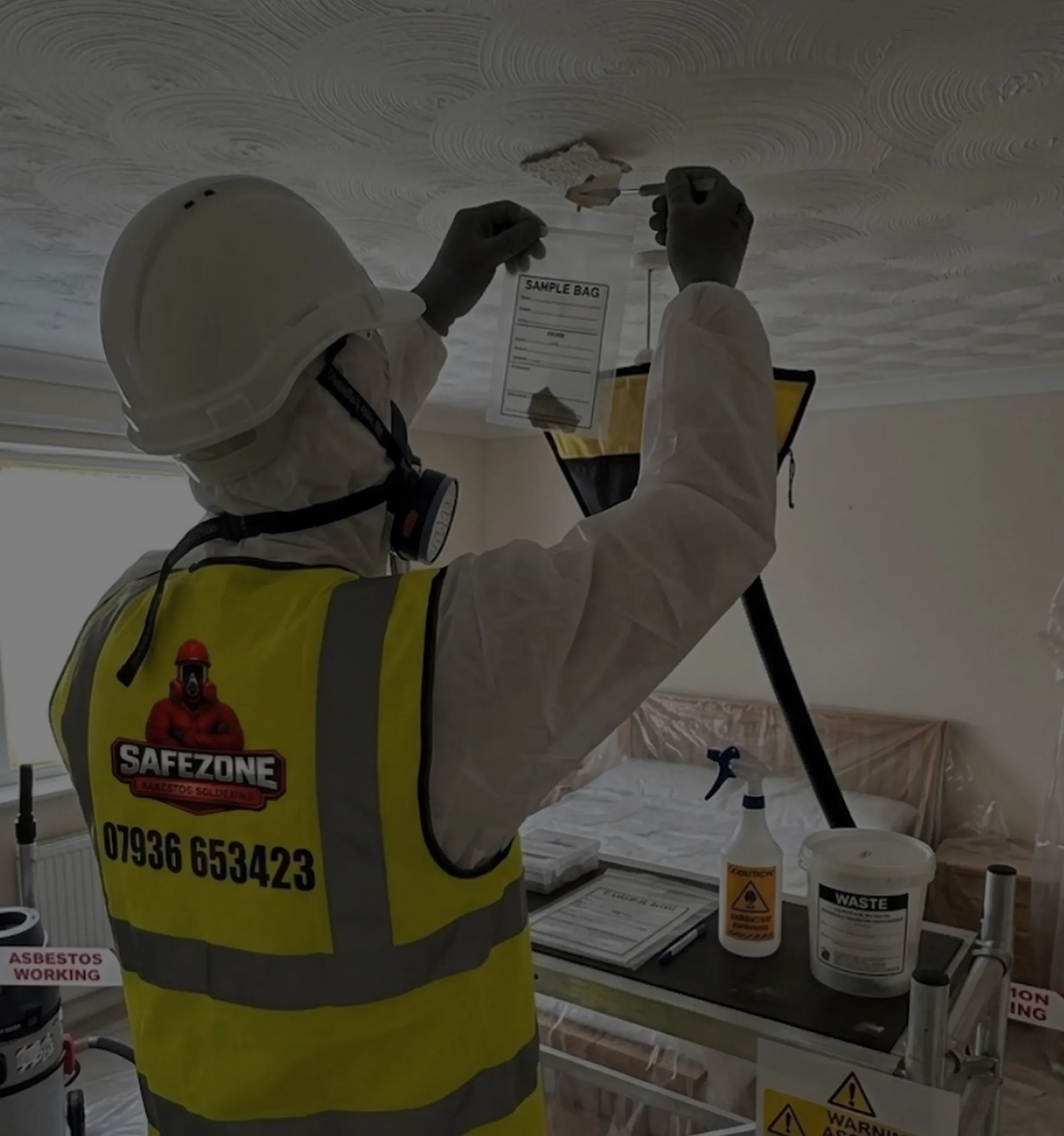
You can’t confirm asbestos by eye, but these are signs a material needs checking:
If you suspect asbestos, please don’t sand, drill, cut, scrape or jet wash it. Leave it alone and get it checked.
Professional testing is the only reliable way. DIY checks aren’t reliable and can put you at risk if the material is disturbed. With our asbestos testing service, a trained tester takes a small sample, seals the area, and sends it to a lab. You’ll get a clear answer for each material tested. If the result is clear, here’s what “no asbestos detected” means.
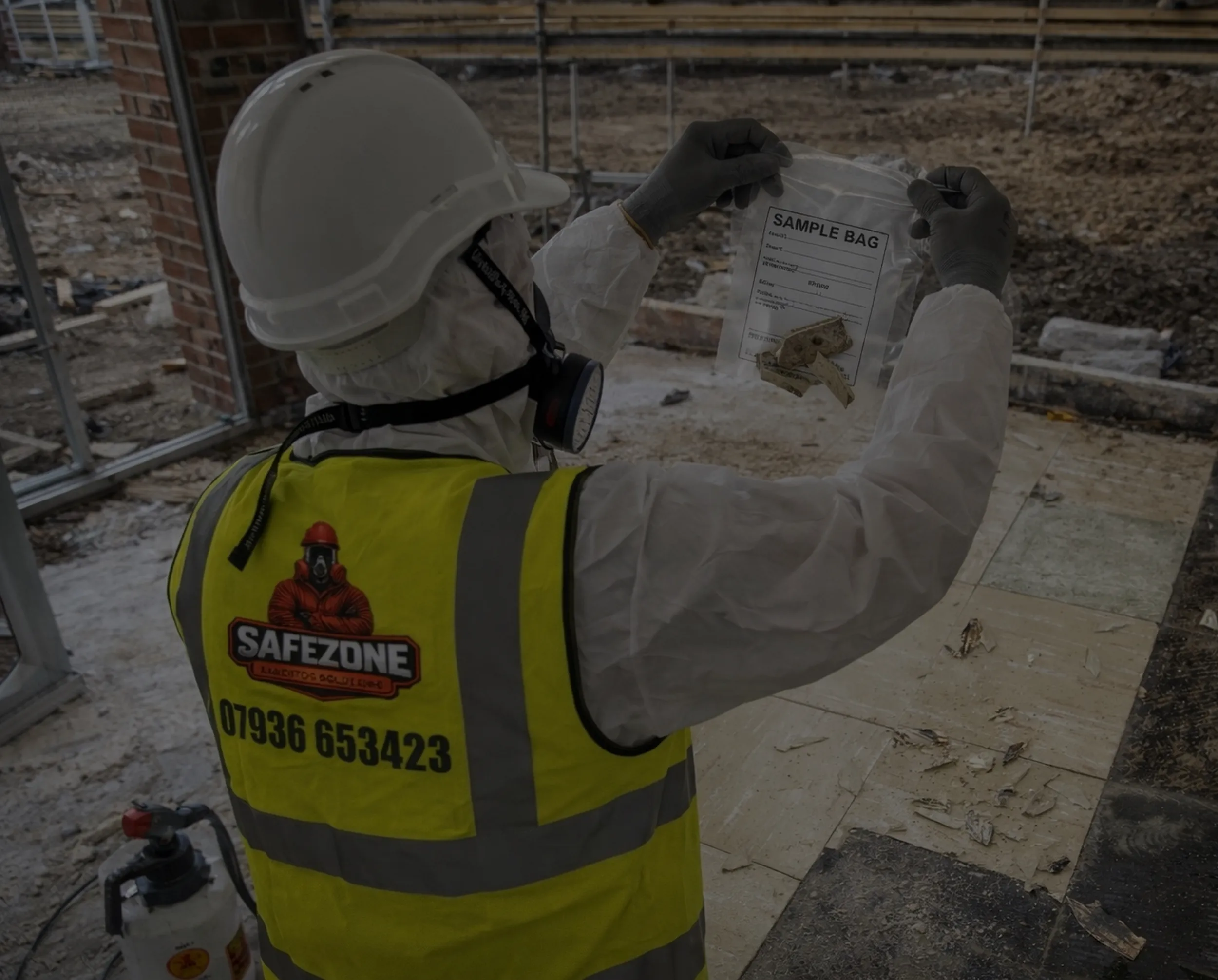
Often nothing urgent. Material in good condition that won’t be disturbed can usually stay where it is. If it’s damaged, or in the way of work you want to do, our asbestos removal service can take it out safely and dispose of it properly. For garage roofs, our guide on whether an asbestos garage roof is safe to leave will help you decide.
Pipe lagging, sprayed coatings, insulating board and badly damaged or crumbling material need a specialist survey and a specialist removal firm. If that’s what we find, we’ll tell you straight away.
No. It looks like ordinary building materials. Age and type of material give clues, but only a lab test confirms it.
Not necessarily. If it’s sound and you’re not planning work that would disturb it, leaving it and keeping an eye on it is often the right choice.
Stop work, keep people and pets away from the area, don’t sweep or vacuum the dust, and get the material tested before going further.
Not sure about something in your home? Send us a photo on WhatsApp or give us a call and we’ll tell you whether it’s worth testing. We cover Berkshire, Surrey, Hampshire, Sussex and London. You can also use the quote form on this page.
This guide is general information, last updated October 2026. It is not a substitute for testing the specific materials in your property.